Project history
our services
The discovery
One day, it was decided to plant a tree in the courtyard of Casa Taller El Boga and in the excavation process…
This discovery prompted an exploratory excavation, which established the significance of the site by revealing a sequence of deposits spanning from around the time of Mompox’s founding to the present — nearly 400 years of history.
Preparing
the field
In response to this promising discovery, an academic proposal was structured to obtain the Archaeological Intervention License from the Instituto Colombiano de Antropología e Historia (ICANH) — a legal requirement for conducting archaeological excavations in Colombia — alongside a proposal to secure funding.
The research was submitted to the 2023 call for proposals of the Swiss National Science Foundation, and was selected for funding.
The exploratory excavation thus became a formal investigation.
From that point on, several stages have been developing in parallel!
Field seasons
Since the project’s inception in 2024, a robust research process has been built. This has involved different stages that have marked an enriching path toward the study of the commons.
The excavation
This has had two seasons…
The first took place between August and September of 2024.
The second season took place between January and February of 2025.
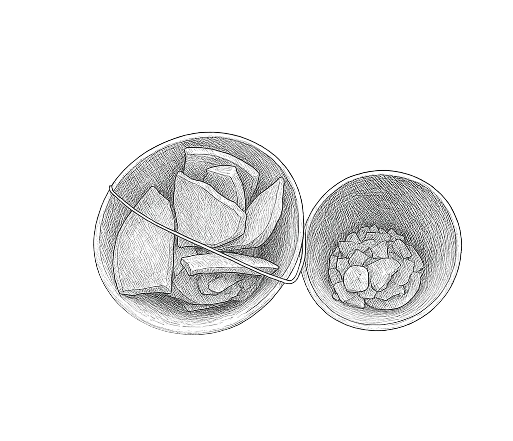
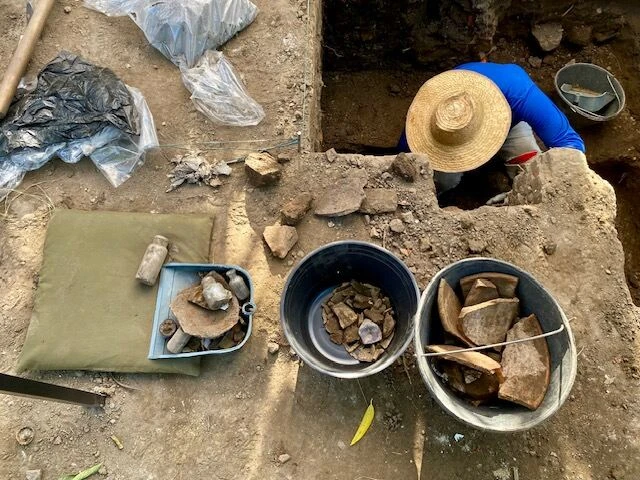
Between both seasons, an area of 147 m² was excavated, distributed across 19 archaeologically strategic units located within the courtyard. The approximate volume of earth and rubble extracted and manually sieved is estimated at around 123 m³.
Ethnographic work
The relationship of communities with bodies of water and how that relationship influenced the formation of urban centers.
The use of animals in diet, examining how the introduction of domestic species and the blending of food customs transformed the diet and daily life of people in the past.
to better understand how these practices reflect the history, culture, and adaptation of communities in urban space.
Archival research
This stage has been cross-cutting and fundamental, as it has allowed for an in-depth historical examination of each finding and its contextualization.
Since the site was identified, archival research has been ongoing. Through it, it has been possible to approach the organizational, social, political, environmental, and economic dynamics that existed in Mompox and the wider world more than three centuries ago.
This has been a process in which documents have been consulted in Colombia at the Archivo General de la Nación and the Archivo Histórico de Mompox, as well as international archives such as the Archivo Histórico de Sevilla in Spain.
Laboratory stages
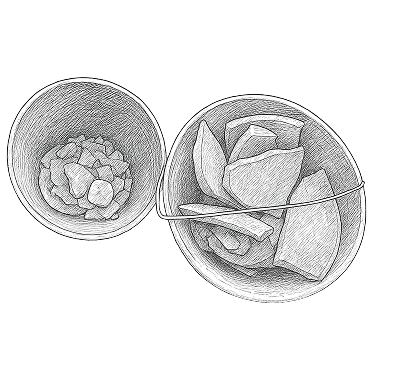
The processing of recovered archaeological remains has been carried out primarily in the anthropology laboratories at Universidad de los Andes, although a portion of the washing was conducted in Mompox in parallel with the January and February 2025 excavations.
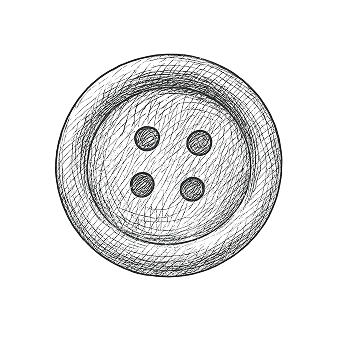
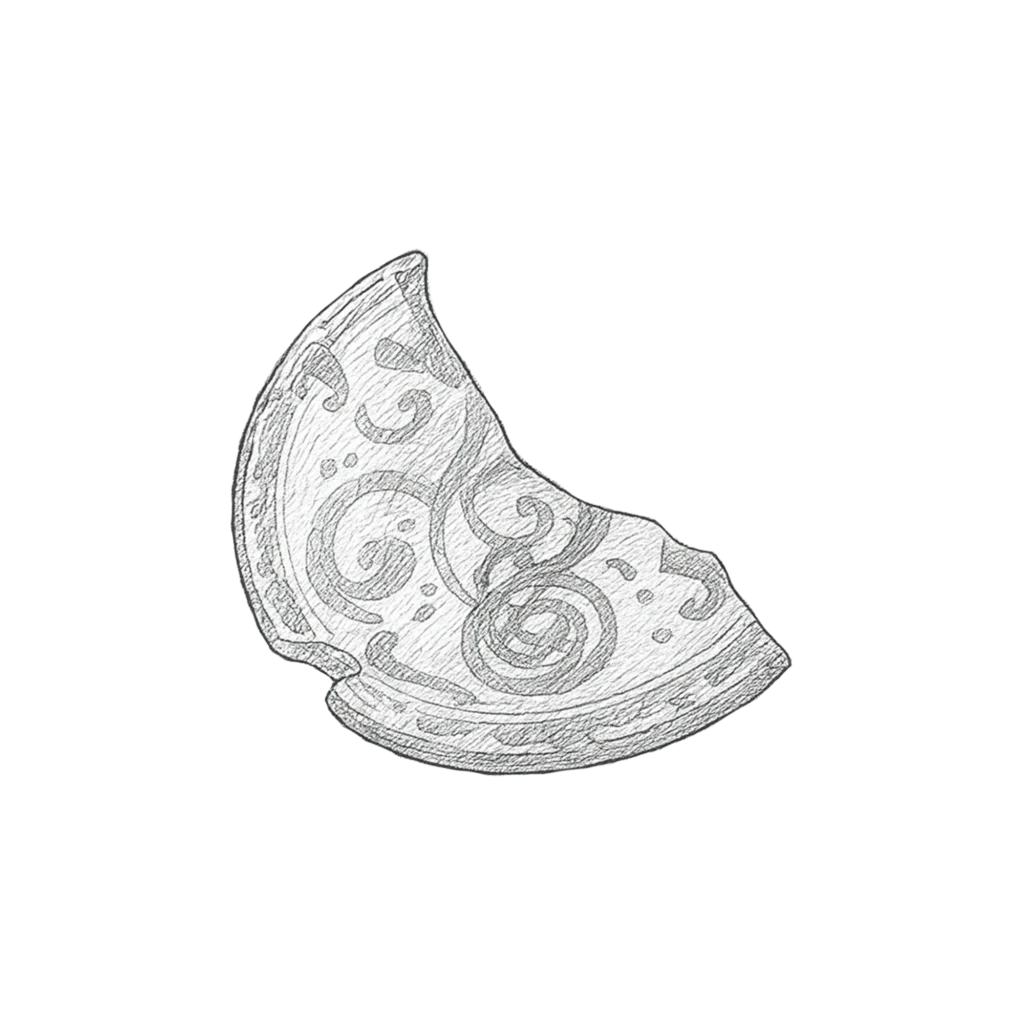
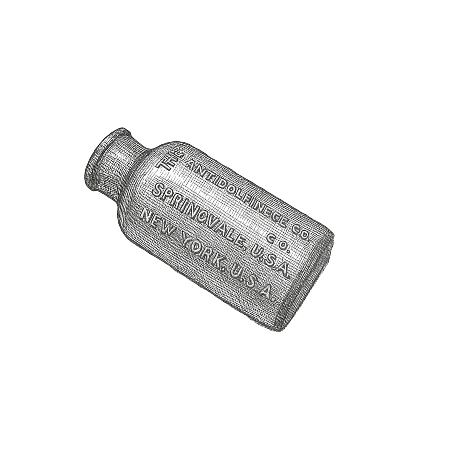
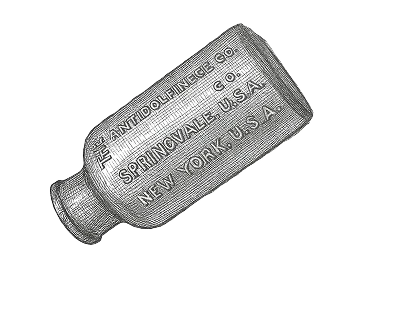
The recovered and processed archaeological material consists primarily of multiple fragments of various types of ceramic artifacts (plates, cups, bowls, etc.), glass (bottles), metals, and food remains in the form of faunal fragments, principally from cattle, swine, birds, reptiles, and fish. Soil samples are also being processed to recover evidence of the plant component.
Progress
To date, the research at El Boga allows us to confirm that the excavated deposits correspond to a well-stratified sequence of soils representing more than four hundred years of daily domestic practices, associated broadly with the use of this space as a “common” or block interior.
A stratified site means that its soils are organized in discrete layers, each corresponding to different periods of occupation, which allows for the relative establishment of a temporal sequence (from oldest to most recent). The stylistic characteristics of certain materials associated with these layers allow for more precise dating, to the extent that, in this case, the deepest deposits can be traced back to a period at or before the founding of Mompox.
Similarly, there has been significant progress in laboratory work with the washing and classification of recovered remains. Preliminary analyses are currently available, with results expected to be confirmed in the coming months.